How to Choose a Good Dental Clinic in Japan
With tens of thousands of clinics to choose from, how do you find a good one as a foreigner? Here's what separates a great Japanese dental clinic from one to avoid — and the questions that reveal the difference.
Japan has more dental clinics than convenience stores, so you have plenty of choice — which is both reassuring and overwhelming. Quality is generally high, but clinics vary in communication, transparency, and how well they serve foreign patients. Here's how to choose wisely.
What makes a good clinic
- Clear communication. They explain your diagnosis, options and costs before treating, and welcome questions.
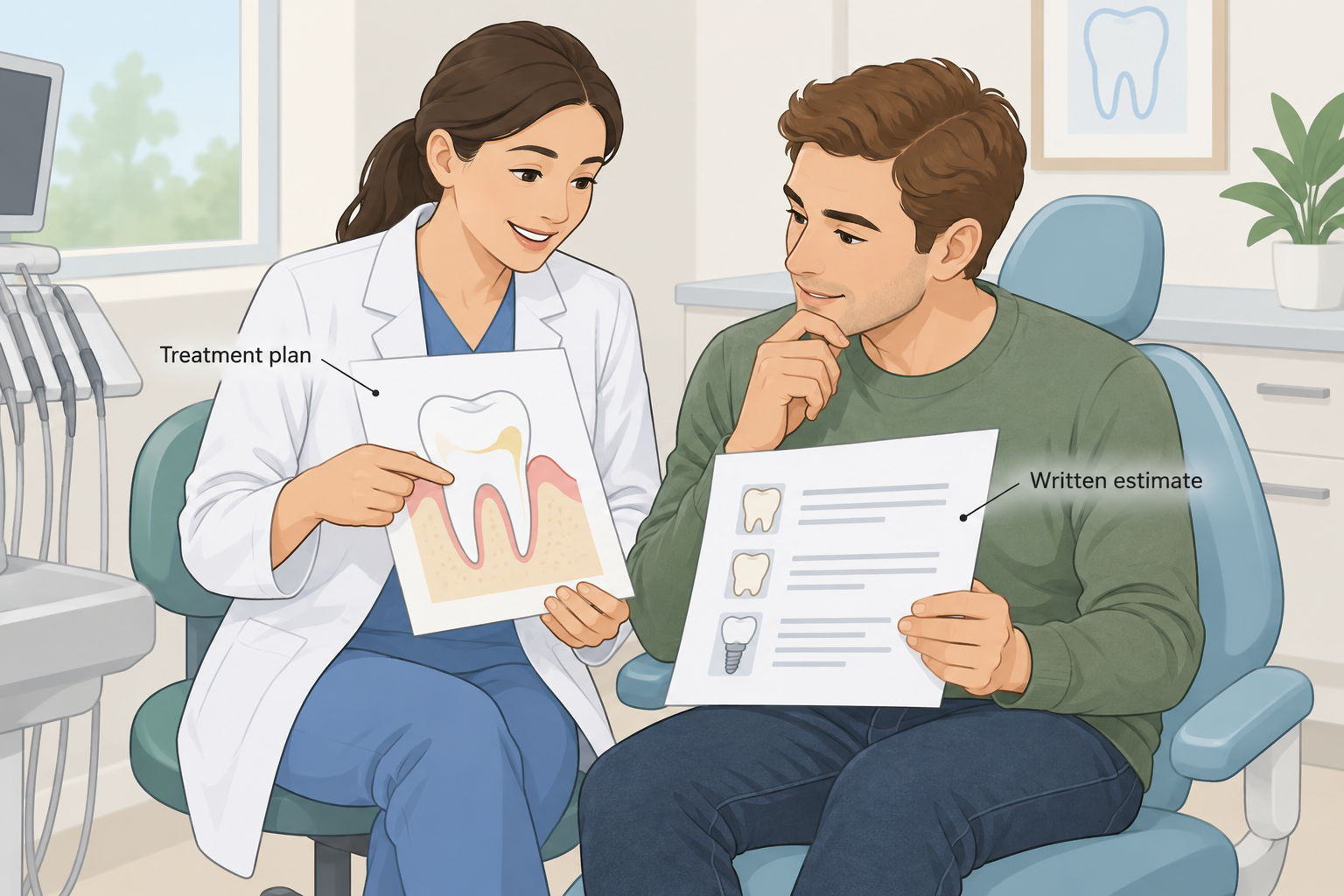
- Transparent pricing. They tell you whether treatment is insured or private and provide written estimates for big work.
- Conservative approach. Good dentists preserve natural tooth structure and don't push unnecessary expensive treatment.
- Clean, modern facilities and visible infection control (gloves, sterilized instruments, fresh setups).
- Prevention focus. They invest in checkups, cleanings and brushing guidance, not just drilling.
- Continuity. You see the same dentist who knows your history.
Insured vs. private-only — know which you're choosing
Some clinics, especially those marketing to foreigners and tourists, are private-pay only (自由診療) and don't accept Japanese health insurance. They can be excellent and convenient, but you'll pay full price even for routine work. Others are insurance-accepting clinics with English support that cost far less for covered treatment. Neither is "bad" — but decide which model fits your budget, and always ask upfront: 保険は使えますか? (Do you accept insurance?)
Questions to ask before committing
- Do you accept national health insurance?
- Does the dentist (not just reception) speak English?
- Can I get a written estimate and treatment plan for larger work?
- What are the insured and private options for my case?
- How many visits will this take, and why?
- Do you accept credit cards or is it cash only?
- What are your hours and which day are you closed?
Green flags
- Shows you your X-rays and explains them
- Offers both insured and private options rather than only the expensive one
- Gives written estimates without you having to push
- Has genuine (not auto-translated) English materials or staff
- Good, recent reviews from international patients
- Emphasizes prevention and follow-up
Red flags to watch for
- Pressure to start expensive private treatment immediately, especially without explaining cheaper insured alternatives.
- Vague or no pricing for big-ticket work like implants or ceramics.
- Recommending many crowns/implants at a first visit with little explanation.
- Refusing to provide a written estimate.
- No clear infection-control practices.
- Dismissiveness when you ask questions.
How to research before booking
- Read recent Google reviews, especially from non-Japanese patients, for clues about English support and bedside manner.
- Check the clinic's website for a real English page and a list of services and whether they take insurance.
- Ask other foreigners — colleagues, neighbors, community groups, your embassy.
- Use a matching service that has already vetted clinics for language support and can advise based on your needs.
Getting a second opinion
For major or expensive treatment plans — multiple implants, extensive crowns, big private quotes — a second opinion is wise and culturally accepted. Different dentists may offer different (sometimes more conservative, cheaper) options. There's no shame in shopping around for something that affects your health and wallet for years.
Location, hours and convenience matter more than you think
The best clinic on paper is no good if you stop going. Because Japanese treatment is often spread across several visits, a clinic that's a short walk from home, work or your station — and open at times you can actually attend — is far more practical than a renowned one across the city. Check the closed day (many shut Wednesdays or Sundays) and whether they offer evening or Saturday slots if you work weekdays. Consider whether they take online or LINE bookings if phoning in Japanese is a hurdle. A convenient, communicative clinic you'll visit regularly beats a "perfect" one you avoid. For families, proximity and a kid-friendly atmosphere matter even more, since you'll be making repeat trips with children.
What about clinics that market to foreigners?
You'll find clinics that advertise heavily in English and cater to the international community. These can be genuinely excellent — convenient, fluent, and used to foreign patients' expectations. The trade-off to check is the payment model: some are private-pay only and charge premium rates even for routine treatment that would be cheap on insurance elsewhere. That's a fair choice if you value seamless English and don't mind paying for it, but go in with eyes open. The ideal for many residents is a clinic that both offers real English support and accepts national health insurance — you get clear communication and the 30% rate. Ask directly about insurance, compare a couple of options, and weigh language, cost and convenience together rather than picking on English alone.
Bottom line
Choose a clinic that communicates clearly, prices transparently, offers insured options, and respects your questions — and confirm whether it accepts insurance before you start. Watch for pressure and vagueness, research reviews, and don't hesitate to get a second opinion on big plans. If you'd rather skip the vetting, a matching service can connect you with an English-friendly, trustworthy clinic for free.
Frequently Asked Questions
How do I know if a Japanese dental clinic accepts insurance?
Ask directly before booking: 保険は使えますか? ('hoken wa tsukaemasu ka?'). Clinics that market heavily to foreigners and tourists are sometimes private-pay only (自由診療) and charge full price even for routine work, so it's worth confirming upfront if budget matters.
Is it normal to get a second opinion from another dentist in Japan?
Yes, it's accepted and sensible, especially for major or expensive plans like multiple implants or extensive crowns. Different dentists may suggest more conservative or affordable options, and a good clinic won't object to you seeking one.
What are red flags at a Japanese dental clinic?
Pressure to start expensive private treatment immediately, vague or missing pricing, recommending many crowns or implants at a first visit without explanation, refusing written estimates, and dismissing your questions. A good clinic explains your options and lets you decide without rushing.
Need an English-speaking dentist? We'll find one — free.
Tell us your area, language, and the treatment you need. We match you with the right clinic and make the booking call for you, in your language.
This article is general information for foreigners living in or visiting Japan, not medical or financial advice. Prices are typical 2025–2026 ranges and vary by clinic, region, and your specific case; insurance coverage depends on your enrollment and the treatment. Always confirm details directly with the clinic.